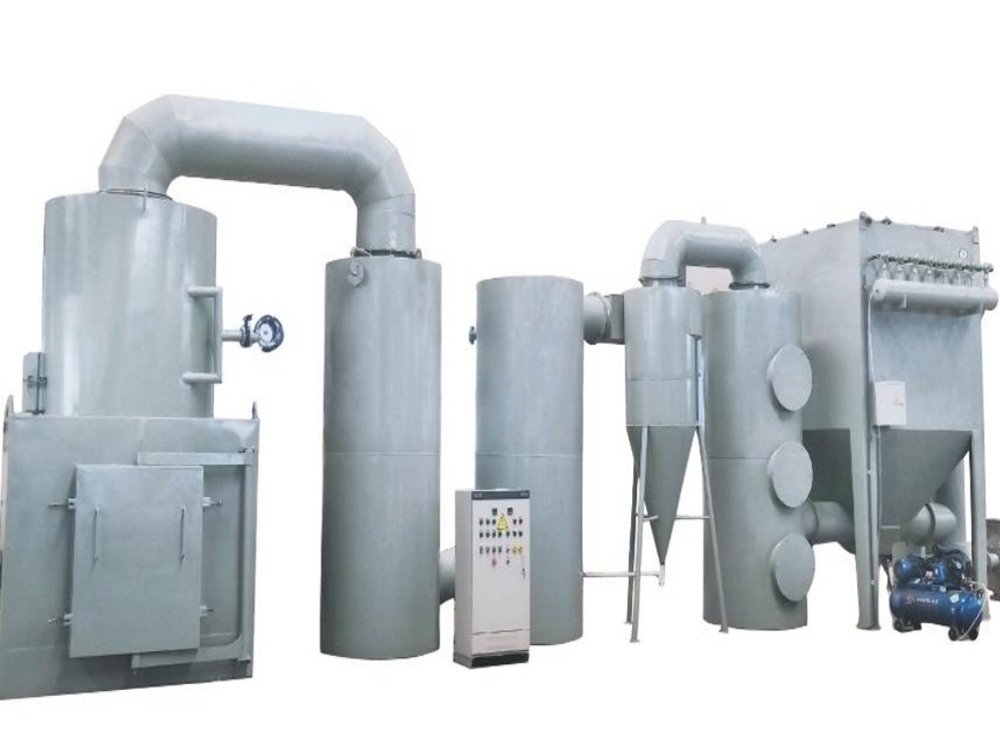
Incinerator flue gas treatment requires a multi-stage synergistic process to achieve efficient pollutant removal.
The core process begins with rapid cooling: reducing flue gas temperature from 800-1100℃ to below 200℃ within one second (inhibiting dioxin resynthesis), using a duplex stainless steel rapid cooling tower or waste heat boiler.
The denitrification and deacidification stages employ a combination of technologies: SCR (Selective Catalytic Reduction) with ammonia injection at 200-300℃ for catalytic denitrification (efficiency >90%), and a semi-dry process using slaked lime slurry to remove SO₂/HCl (efficiency >90% and no wastewater).
In harsh environments, wet deacidification with corresponding wastewater treatment is required.
In the adsorption and dust removal stage, activated carbon injection captures dioxins and heavy metals, combined with a bag filter (PM2.5 capture rate >99%) to achieve dioxin emissions ≤0.1ng TEQ/m³. A wet scrubbing tower may be added for further purification if necessary.
Key Operation and Management Points:
Equipment Protection: Corrosion-resistant design for the quench tower; 200℃ temperature-controlled bypass valve for the bag filter.
Process Control: Strict temperature control of SCR at 200-300℃; dynamic optimization of activated carbon dosage.
Secondary Pollution Control: Wet wastewater recycling treatment; semi-dry process to control lime slurry dosage and reduce waste.
Process Selection Scheme:
Municipal Solid Waste Incineration: Prioritize "quench + semi-dry process + activated carbon + bag filter," with dioxin control as the core objective.
Medical/Industrial Waste: Enhance wet deacidification and heavy metal adsorption; upgrade the online monitoring system.
All processes must meet ultra-low emission standards of particulate matter ≤5mg/m³ and NOx ≤50mg/Nm³; real-time monitoring ensures compliance.

In the Chinese market, there are various types of waste incinerators, such as animal incinerators and medical waste incinerators, all…
Pattaya Mayor Poramet Ngamphichet, along with city officials, inspects the construction progress of the integrated waste incineration system at the Koh Larn landfill site.
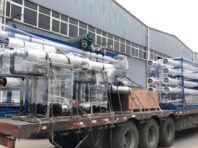
One of our chile customer ordered 2 sets of 60TPD Reverse osmosis equipment for their factory, this equipment system can…