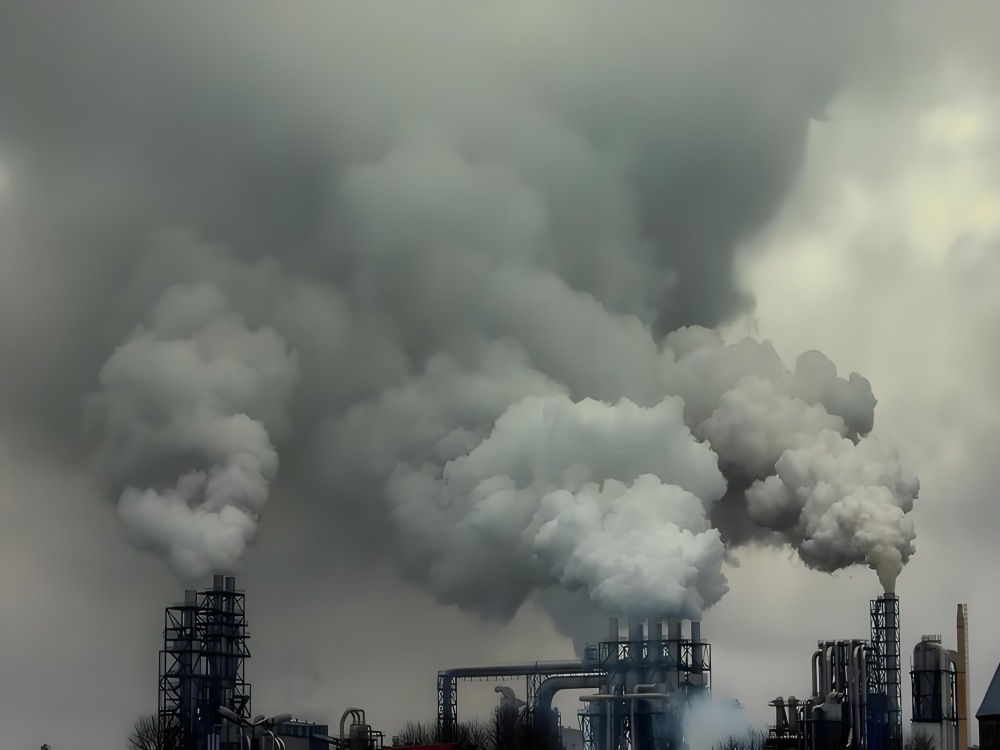
As urbanization accelerates, waste incineration has become a mainstream treatment method due to its significant advantages in volume reduction (90% reduction) and resource recovery (power and heat generation). However, if flue gas pollutants are not properly managed, they pose a severe threat to both the environment and human health. Consequently, pollution control has become the core focus of modern environmental technology.
I. The Dual Impact of Incineration Pollutants
1. Hazardous Gaseous Pollutants
Acid Gases: Common waste components like PVC, rubber, and sulfur-containing organics release acid gases such as HCl, SO2, and NO_x upon combustion. These gases are highly corrosive to equipment and contribute to acid rain, which damages soil structures, acidifies water bodies, and harms vegetation and buildings.
Dioxins: Among the most toxic persistent organic pollutants (POPs) known, dioxins are primarily generated during incomplete combustion, fluctuating furnace temperatures, or flue gas cooling. They are highly carcinogenic and can accumulate in the food chain, posing long-term threats to human health.
2. Particulate Matter and Heavy Metals
Incineration flue gas contains high levels of PM2.5 (inhalable particles smaller than 2.5 microns). These fine particles act as carriers for toxic heavy metals like lead (Pb), cadmium (Cd), mercury (Hg), and arsenic (As). Once inhaled, they can enter the bloodstream and cause respiratory diseases, neurological damage, or chronic poisoning. Furthermore, these heavy metals do not degrade and can contaminate soil and water through deposition.
II. Core Technologies for Flue Gas Treatment
Modern facilities utilize an integrated "High-Temperature Combustion + Multi-Stage Purification" system to achieve ultra-low emissions. Key processes include:
Deacidification: * Semi-dry method: Involves spraying lime slurry ($Ca(OH)_2$) into the gas to neutralize acids, achieving over 85% desulfurization and 90% dechlorination.
Dry method: Supplements the system by injecting dry lime powder or sodium bicarbonate ($NaHCO_3$) to handle sudden peaks in acid gas.
High-Efficiency Dust Removal: * Baghouse Filters: Utilizing PTFE-coated filter bags, these devices achieve a dust removal efficiency of over 99.9%. The "alkaline filter cake" formed on the bags further assists in scrubbing residual acid gases.
Dioxin Mitigation:
Thermal Decomposition: Maintaining furnace temperatures at $\ge 850$°C for at least 2 seconds effectively breaks down dioxin molecules.
Activated Carbon Adsorption: Powdered activated carbon (PAC) is injected to adsorb remaining dioxins and heavy metal vapors before they are captured by the baghouse filters.
III. Optimizing Environmental Benefits
1. Energy Recovery and Circular Economy
Advanced plants in China can generate over 300–400 kWh of electricity per ton of waste, equivalent to saving approximately 120 kg of standard coal. In cities like Shenzhen, full-scale incineration has achieved "Zero Landfill" goals while generating over 4 billion kWh of electricity annually.
2. Land Resource Protection
Incineration reduces waste volume by over 90%, leaving only bottom ash (about 10% of the original volume). This residue can often be recycled into construction materials like bricks or road base, significantly easing the "waste siege" in crowded cities.
3. Secondary Pollution Prevention
Fly Ash Disposal: Fly ash, containing concentrated heavy metals and dioxins, is treated via "Cement + Chelating Agent" stabilization. Once it passes leaching toxicity tests, it is safely landfilled.
Zero Liquid Discharge (ZLD): High-concentration leachate is treated through a combination of anaerobic fermentation, MBR (Membrane Bioreactor), and NF/RO (Nanofiltration/Reverse Osmosis) to reach industrial reuse standards.
Conclusion
By 2025, incineration accounted for 82.5% of municipal solid waste treatment in China. Through source separation and advanced purification, these facilities are transforming from "pollution sources" into "Green Engines" of urban sustainability. As we move toward carbon neutrality, the integration of smart operations and carbon accounting will further drive the synergy between environmental governance and energy systems.
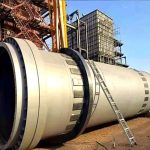
Analysis of the principles and characteristics of mainstream incineration technology
Gasification incinerators are specialized devices for treating solid waste. They work by using thermochemical reactions to decompose and process solid…
Gasification incinerators are specialized devices for treating solid waste. They work by using thermochemical reactions to decompose and process solid…
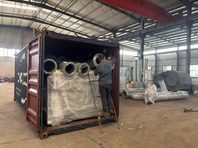
Two units of 100kg-capacity medical waste incinerators have been securely loaded into a shipping container and dispatched to Somalia. I…