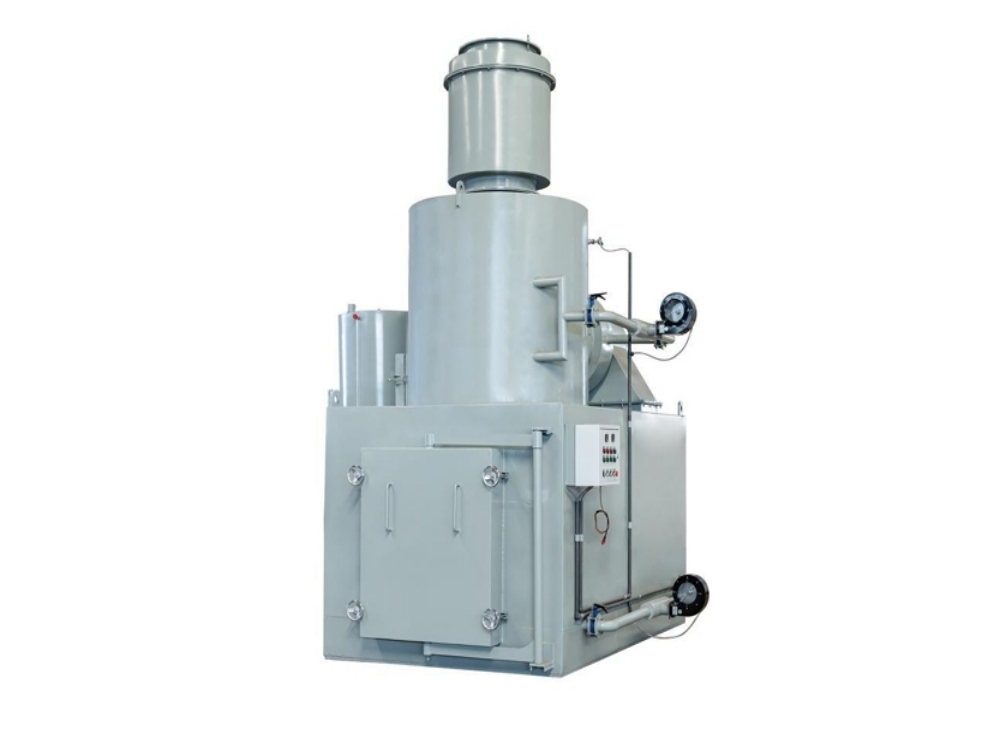
Gasification incinerators are specialized devices for treating solid waste. They work by using thermochemical reactions to decompose and process solid waste. The core process involves first converting the organic matter in the solid waste into combustible syngas in a high-temperature, low-oxygen environment. The main components of syngas are carbon monoxide, hydrogen, and methane. This syngas is then sent to a secondary combustion chamber where it is thoroughly burned under sufficient oxygen conditions. This process not only renders the waste harmless but also recovers and utilizes the heat.
Unlike traditional furnaces that directly ignite waste, gasification incinerators follow a two-step reaction route: first converting solid waste into gas, then burning the gas to generate heat. This reduces the possibility of pollutants being emitted during combustion from the very beginning.
Three Core Reaction Steps of Gasification Incineration
Step 1: Drying and Volatile Matter Removal The waste fed into the furnace is dried at 200 to 300 degrees Celsius, removing moisture. Some organic matter also undergoes pyrolysis, releasing tar vapors and a small amount of easily combustible light combustible gas.
Step Two: Gasification Reaction The temperature is raised to 600-1000 degrees Celsius, maintaining a low-oxygen reducing environment in the furnace. The air-to-gas ratio is controlled between 0.2 and 0.4, allowing the coke to undergo an endothermic reaction with water vapor and carbon dioxide, producing syngas, primarily carbon monoxide and hydrogen. This stage deliberately skips the 250-400 degree Celsius range—dioxins are most easily formed within this temperature range, thus directly eliminating the possibility of dioxin precursor formation from the reaction conditions.
Step Three: Secondary Combustion The syngas is fed into the secondary combustion chamber at a temperature no lower than 850 degrees Celsius. The air volume here is 1.5 to 2 times the theoretical required volume, ensuring complete combustion of the syngas. The combusted flue gas is kept in the furnace for at least 2 seconds to ensure the complete decomposition of difficult-to-treat harmful substances such as dioxins and furans. The high-temperature flue gas is then sent to a waste heat boiler for power generation or external heating.
The temperature for gasification in the main combustion chamber is typically maintained between 600 and 1000 degrees Celsius, while the combustion temperature in the secondary combustion chamber must not be lower than 850 degrees Celsius. Some high-requirement projects even raise the temperature to over 1100 degrees Celsius. The flue gas then undergoes several purification processes, including rapid cooling, removal of acidic gases, denitrification, activated carbon adsorption, and baghouse dust collection. Ultimately, the particulate matter concentration in the emitted flue gas can be reduced to below 10 milligrams per cubic meter, and the dioxin emission concentration can be reduced to within 0.1 nanograms of toxic equivalent per standard cubic meter.
Compared to traditional incinerators that directly burn waste, these furnaces only have a single stage of oxygen-enriched combustion, producing large amounts of flue gas that easily generates dioxin precursors. Pollution control relies almost entirely on final activated carbon adsorption. Gasification incinerators first convert solid waste into gas in a reducing environment, avoiding the temperature range where dioxins are most likely to form. The total amount of flue gas produced is also 30% to 50% less than traditional furnaces, significantly reducing the pressure on the subsequent flue gas purification system. Furthermore, the amount of fly ash produced is 40% to 60% lower than that of traditional direct incineration devices. The remaining slag, due to high-temperature vitrification, is difficult to leach heavy metals from, allowing it to be used directly as building aggregate without additional complex treatment.
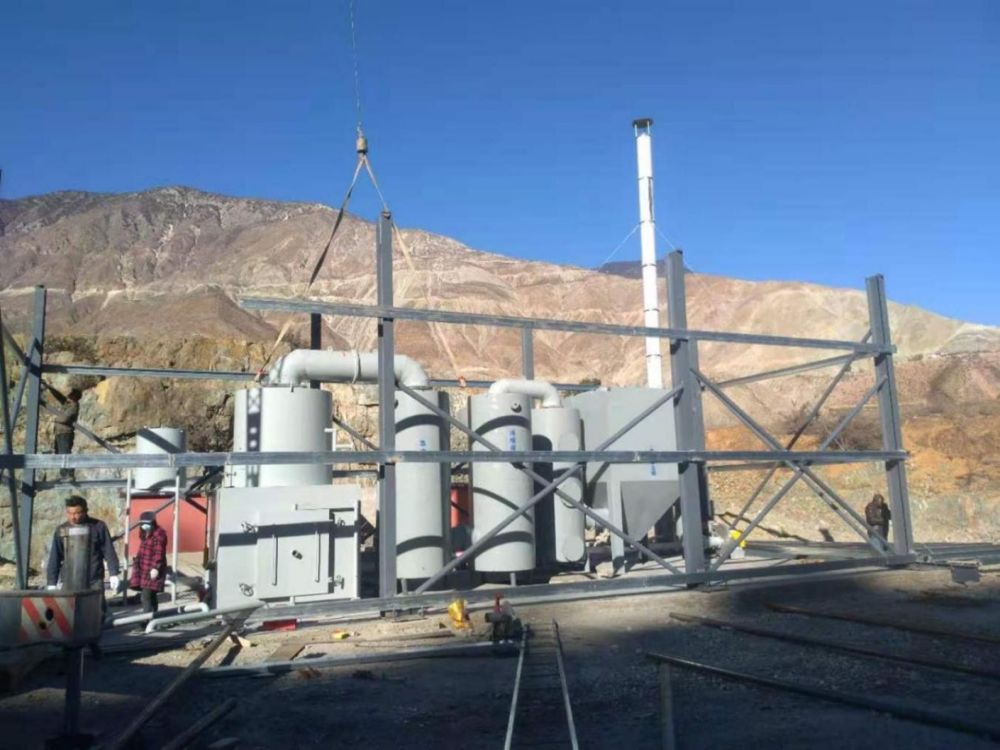
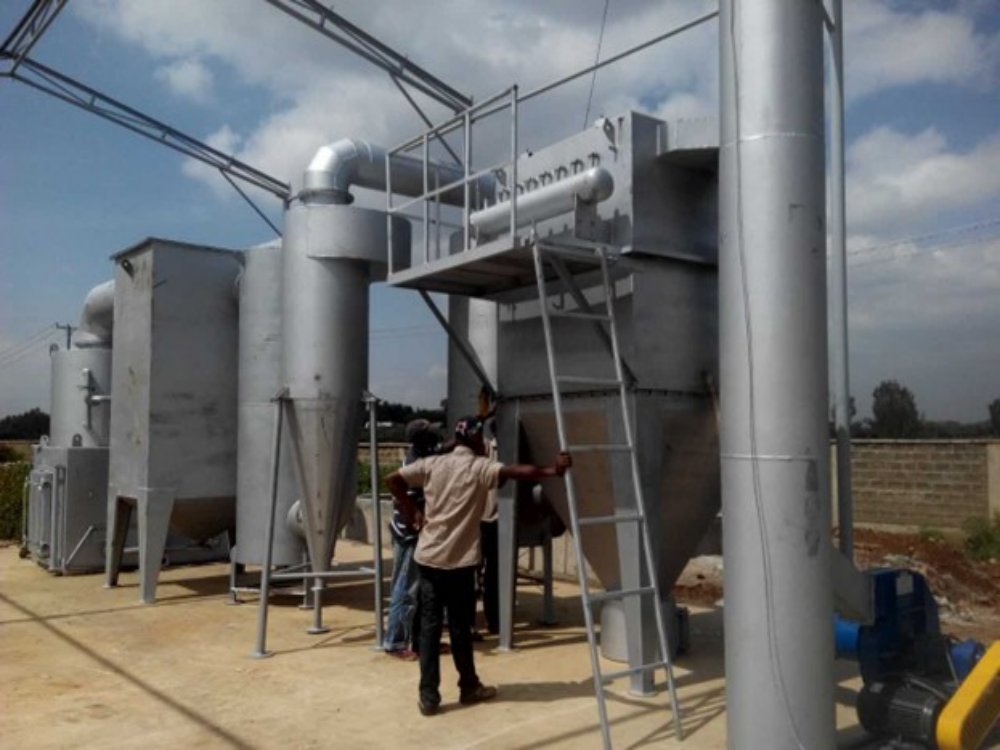
Moreover, gasification incinerators are highly tolerant of varying moisture content and calorific value of incoming waste, even handling mixed waste that is unsorted and of mixed composition. Common applications include: small, decentralized waste treatment plants in villages and towns with a daily processing capacity of 1 to 5 tons; high-temperature harmless treatment of medical and hazardous waste; on-site reduction of agricultural residues such as straw in rural areas; and in scenic areas and remote regions with limited land and strict emission requirements. The equipment can also be modularized, allowing for adjustments to processing capacity simply by adding modules without the need for complete furnace reconstruction.
pollution control Environmental challenges
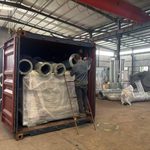
Two units of 100kg-capacity medical waste incinerators have been securely loaded into a shipping container and dispatched to Somalia. I…
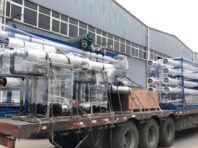
One of our chile customer ordered 2 sets of 60TPD Reverse osmosis equipment for their factory, this equipment system can…
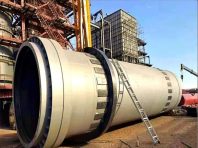
Analysis of the principles and characteristics of mainstream incineration technology